
Films
One is for watching. One is for keeping.
A cinematic film and a full traditional recording do two completely different jobs, and most families end up wanting both — for different people, at different times, sometimes years apart.
The film
Cinematic — the day, shortened
The wedding cut down to something people will actually sit through: the arrival, the ceremony's turning points, the speeches kept whole because that is where the feeling is, and the reception in a handful of moments rather than in full.
This is the one that gets shared, watched on a phone at midnight, and shown to people who were not there. It is a piece of editing as much as of shooting.
The record
Traditional — the whole thing, in order
The ceremony recorded straight through, unedited, start to finish. Every mantra, every step, nothing trimmed and nothing rearranged.
Nobody watches this the week after the wedding. People watch it in fifteen years, when they want to hear a voice again — and then they are extremely glad it exists. It is the least glamorous thing we sell and one of the most valuable.
🎬 Why film is not just photography that moves
Cinematic means 1/50th, not slow motion everywhere
The 180-degree shutter rule, and why the film goes outside with sunglasses on.
Motion on screen looks natural when the shutter is roughly double the frame rate. Shoot 24 frames a second and the shutter wants to be about 1/50. Faster and movement gets a hard, stuttering edge; much slower and it smears.
Outdoors in Indian daylight that rule is expensive. Holding 1/50 in full sun means the aperture would have to close to something that ruins the look, so the light gets cut with a neutral density filter instead — sunglasses for the lens. It is why a film crew carries filters and a photographer does not.
And slow motion is a punctuation mark, not a language. Everything at half speed stops reading as cinematic within about forty seconds and starts reading as a screensaver.
Photographs and film from the same studio
Worth saying plainly, because it is the most common thing that goes wrong when a family books two suppliers.
A separate photographer and a separate film crew spend the whole day competing for the same three feet of floor in front of the mandap. The video light blows out the photographer's frame; the photographer's flash puts a white pop in the middle of the film. Both teams are doing their job correctly and both results suffer.
Booking both from one studio makes that somebody's problem in advance instead of yours on the day. The lighting is agreed once, the positions are worked out between people who have done it together, and the grade is matched — so the film and the photographs actually look like they came from the same wedding.
If you would rather use a different film crew, that is genuinely fine. Tell us early and we will work it out with them beforehand rather than in front of your guests.
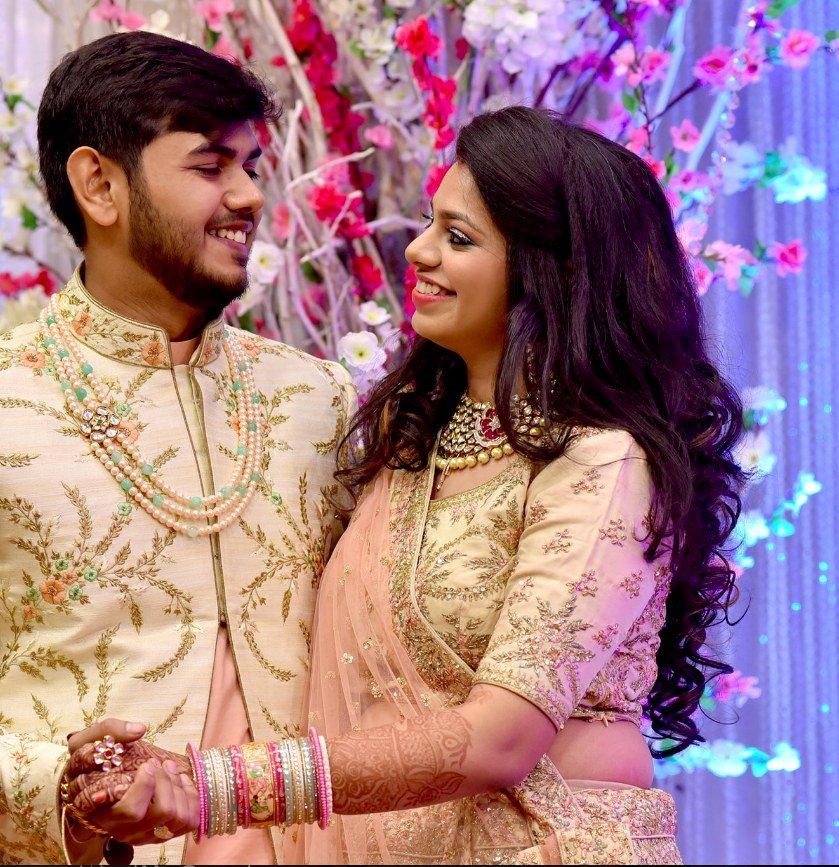
On the stage
Stage light is coloured, uneven, and aimed at the back of their heads.
Film packages
Indicative rates for a standard date.
₹20,000
Cinematic Wedding Film
₹10,000
Traditional Videography
Photography and film together on the day is the package most families book — see all packages. 50% to hold the date.
Is your date free?
That is the only question worth asking first, and it takes one phone call to answer. Tell us the date and the venue, and we will tell you straight away.
Shop No. 4(A), Tushar Villa CHS, Nav Vrushali, Agarkar Road, opposite Saraswati Classes, Dombivli East 421201 · 10:00 am – 9:00 pm, every day